

 en
 ko

Introduction
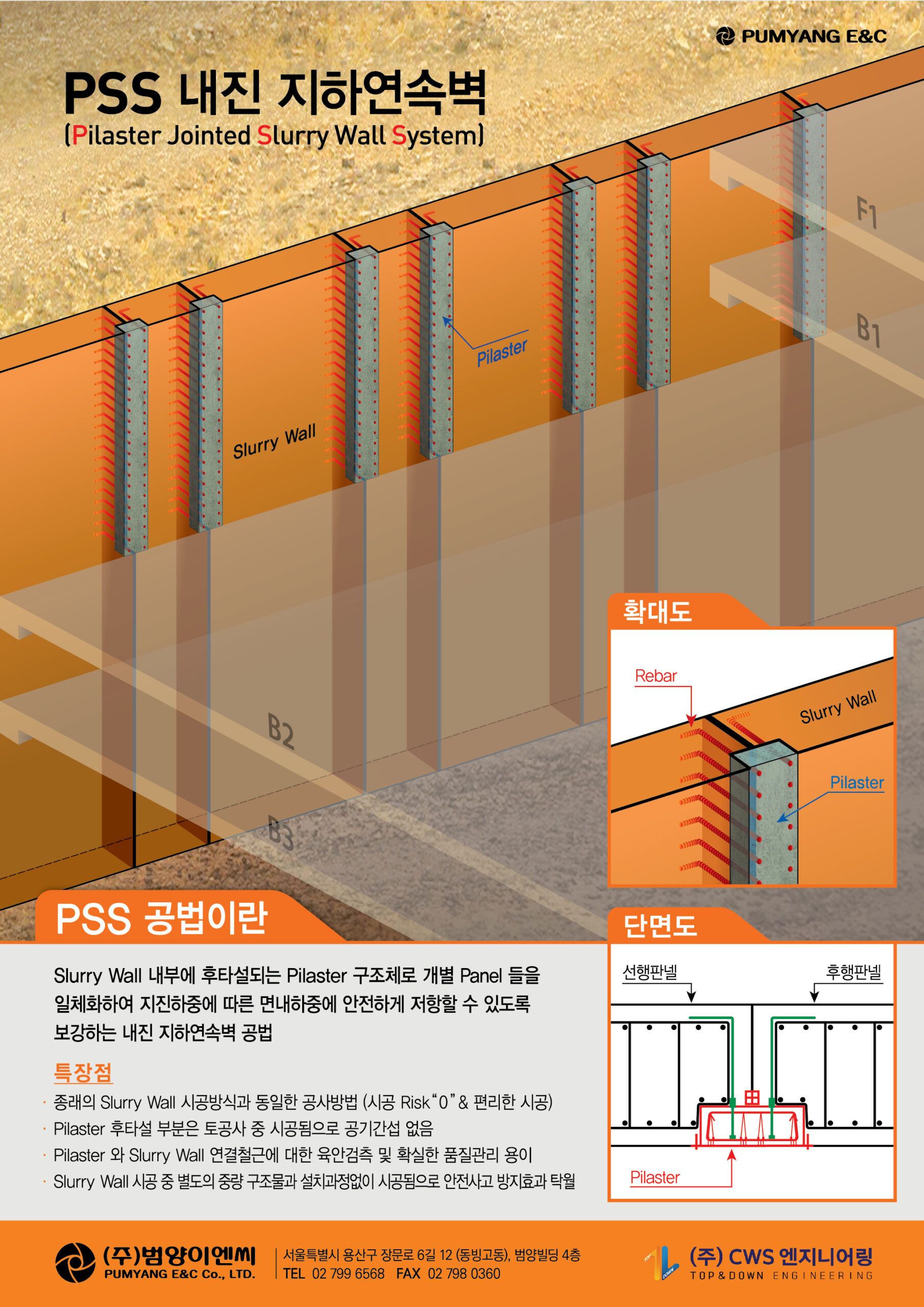
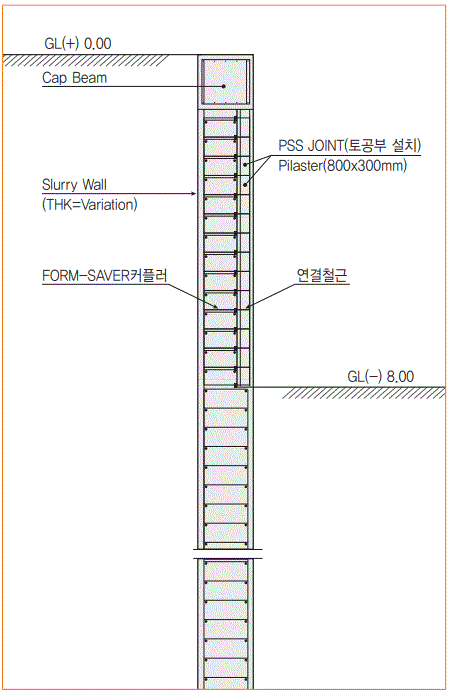
- It is a seismic underground continuous wall construction method that integrates individual panels through a pilaster structure that is installed after being placed inside the slurry wall and reinforces it to safely resist in-plane loads caused by earthquake loads.
- • The same construction method as the existing slurry wall
construction method (construction risk “0” & convenient
construction)
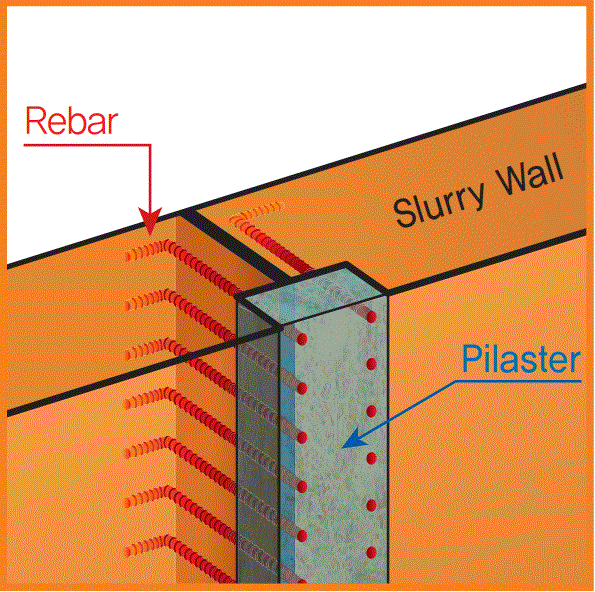
- • Post-casting of the Pilaster is constructed during earthworks, so there is no effect of the construction period.
- • It is possible to visually inspect the reinforcing bars connected to the Pilaster and Slurry Wall, so quality
control is certainly easy. - • During the construction of the slurry wall, it is constructed without a separate structure and
installation process, so the safety accident prevention effect is excellent.
Why
- After the 2017 Pohang earthquake, seismic design for underground buildings became mandatory.
- The slurry wall method is also excellent in preventing subsidence of the surrounding ground due to its excellent water blocking effect and wall rigidity. However, since the wall is divided into individual panels, an appropriate reinforcement method for seismic force (in-plane load) is required.
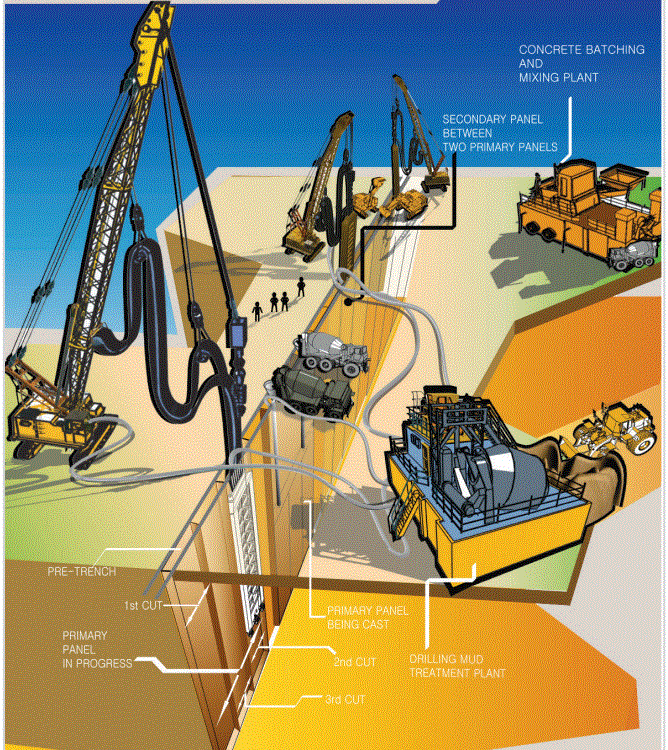
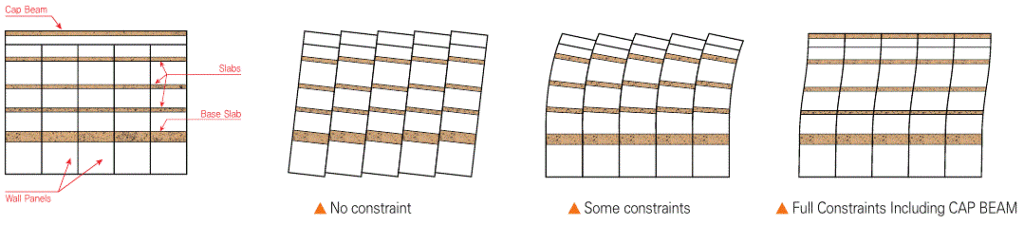
- • When seismic force (in-plane load) is applied, the slurry wall used as a permanent wall behaves as above
depending on the constraint conditions.
How
Easy Management
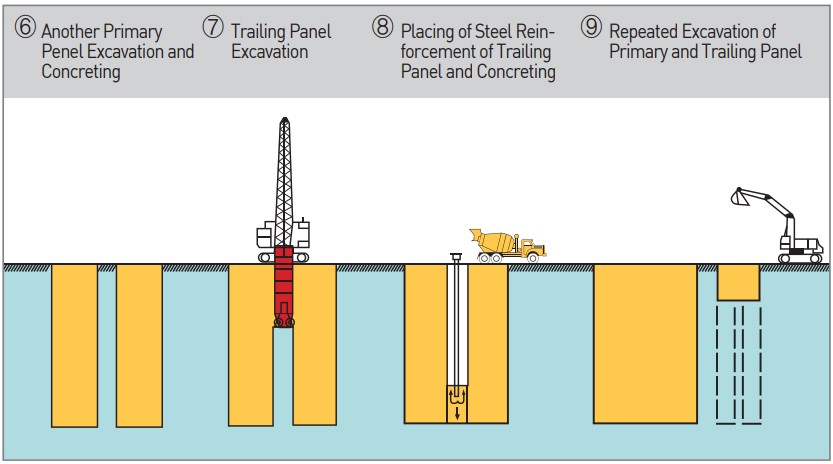
- • There is no risk to construction quality with the
same construction method as the conventional
slurry wall construction method, and there is no
separate heavy structure (Stop End Tube)
installation process during the slurry wall
construction → Easy construction - • Pilaster work process is completed during
earthworks → No additional construction period
required - • Visual inspection of the seismic connection
reinforcing bar for the slurry wall before the
construction of the pilaster is possible (other
methods are not possible) → Easy quality control - • 0% risk of delay in construction of slurry wall
compared to other methods
Package Service
References